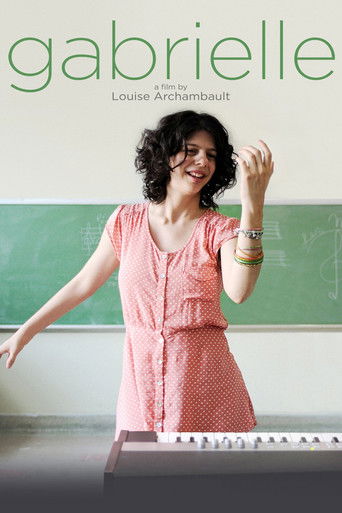
Louise Archambault, a key figure in Québécois cinema, merges neo-naturalism with classic storytelling, often spotlighting strong women challenging societal norms. Her acclaimed film "Gabrielle" (2013) earned her the Canadian Screen Award for Best Motion Picture and multiple Jutra Awards.
Initially considering medical school, Archambault shifted to filmmaking, starting as a sound trainee on "Lance et compte" (1986–88). After honing skills at Concordia University, she worked in diverse roles, including as assistant director on Jean-Marc Vallée’s "Liste noire" (1995). Joining Roger Frappier’s M…
Louise Archambault, a key figure in Québécois cinema, merges neo-naturalism with classic storytelling, often spotlighting strong women challenging societal norms. Her acclaimed film "Gabrielle" (2013) earned her the Canadian Screen Award for Best Motion Picture and multiple Jutra Awards.
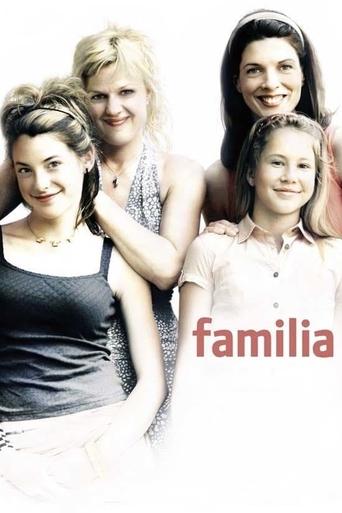
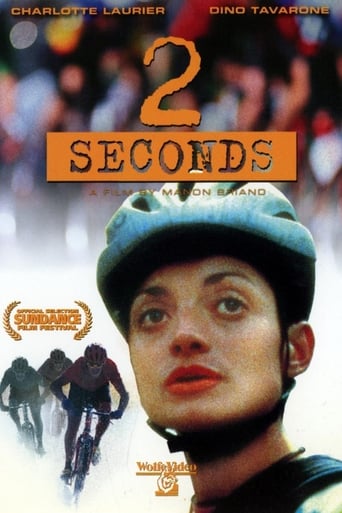
Initially considering medical school, Archambault shifted to filmmaking, starting as a sound trainee on "Lance et compte" (1986–88). After honing skills at Concordia University, she worked in diverse roles, including as assistant director on Jean-Marc Vallée’s "Liste noire" (1995). Joining Roger Frappier’s Max Films in 1998, she contributed as a cinematographer for "2 secondes" (1998). Her debut short, "Atomic Saké" (1999), internationally recognized and awarded the Jutra Award for Best Short Film, preceded her impactful feature "Familia" (2005), lauded at TIFF with honours such as Best Canadian First Feature Film and the Claude Jutra Award. These successes established Archambault as a rising talent in Canadian cinema.
Pick a source and a type, and we'll land you straight on something to watch.
Pick from
Type
We value your privacy
NEXUS uses cookies to keep you signed in and to understand how the site is used so we can improve it. Essential cookies are always on. You can accept all cookies or keep only the essential ones. See our Privacy Policy.