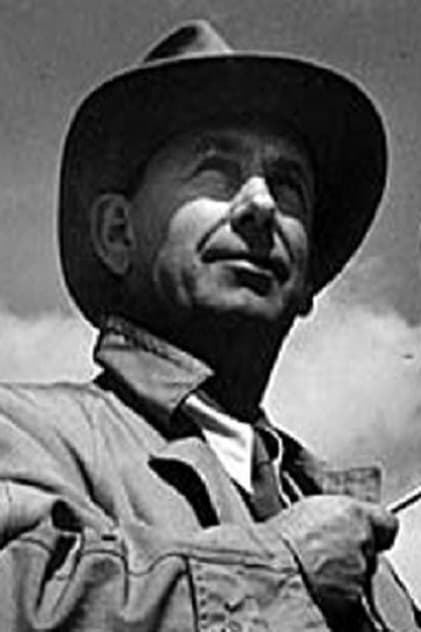
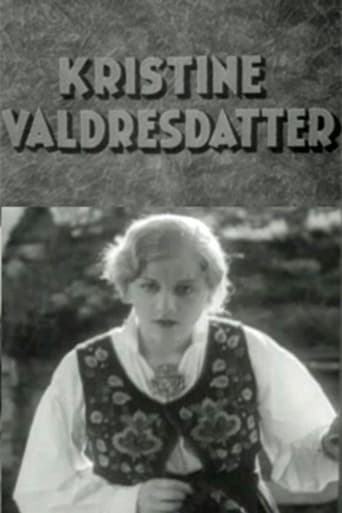
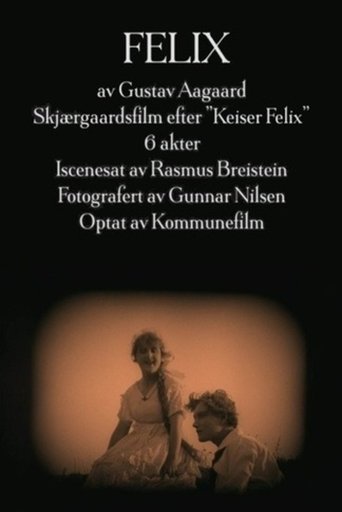
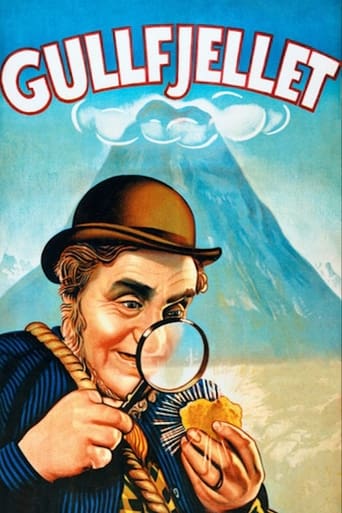
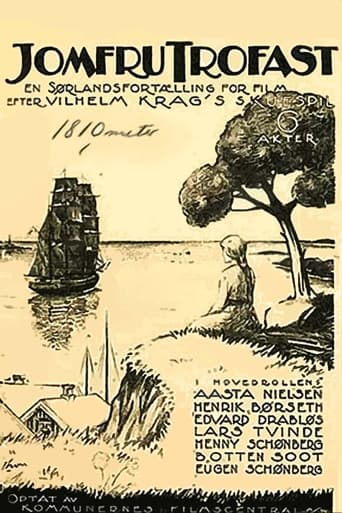
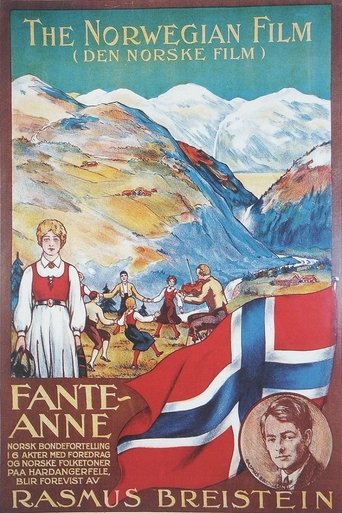
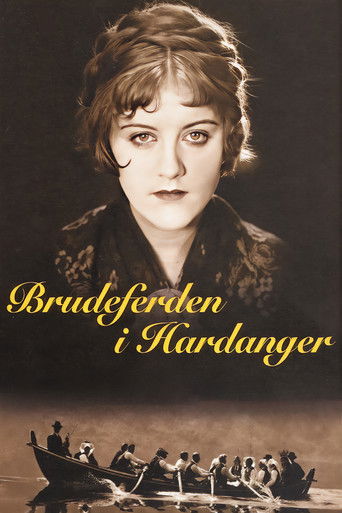
Rasmus Breistein is regarded as the silent filmmaker's most significant filmmaker. In the period referred to as the national breakthrough for Norwegian film (1920-1930), he directed five films. With these films, he challenged the Swedish film's then power position and excited both critics and the audience.
Breistein was a farmer's son and learned to play fiddle in his youth. He played for dances at weddings in Western Norway. When Det Norske Teateret was established in 1913, he started as an actor at the theater. He became preoccupied with the new medium of film, after watching Peter Lykke-S…
Rasmus Breistein is regarded as the silent filmmaker's most significant filmmaker. In the period referred to as the national breakthrough for Norwegian film (1920-1930), he directed five films. With these films, he challenged the Swedish film's then power position and excited both critics and the audience.
Breistein was a farmer's son and learned to play fiddle in his youth. He played for dances at weddings in Western Norway. When Det Norske Teateret was established in 1913, he started as an actor at the theater. He became preoccupied with the new medium of film, after watching Peter Lykke-Seest's films he wanted to make films in a completely different way. It started with Fante-Anne. In an interview he stated "that the film was the beginning of something, to a Norwegian production of a more national character." And that was the beginning of the Norwegian great age of silent films.
Pick a source and a type, and we'll land you straight on something to watch.
Pick from
Type
We value your privacy
NEXUS uses cookies to keep you signed in and to understand how the site is used so we can improve it. Essential cookies are always on. You can accept all cookies or keep only the essential ones. See our Privacy Policy.